
Mental health care needs more than treatment, experts say
Ahead of World Mental Health Day, Kenyan experts say care must go beyond diagnosis and treatment to cover prevention, rehabilitation and long-term recovery.

As the world marks Mental Health Day on October 10, mental health professionals are calling for a shift from simply identifying and treating mental illness to building care systems that support recovery, prevention and long-term wellbeing.
This year’s World Mental Health Day theme, “Lived experiences heard: real voices, real change,” places people with lived experience at the center of decisions on mental health policies and services. The World Health Organization says people who have experienced mental health conditions should help shape the systems designed to support them.
The message comes at a time when Kenya is strengthening its mental health policy and service framework, but practitioners say major gaps remain in specialist care, rehabilitation, data, prevention and continuity of support.
Dr. David Bukusi, founding director of Peponi Road Wellness Center, said Kenya had made progress in recognizing mental health concerns, but service delivery remained a challenge.
“Do I think we’re getting better at identifying it? Yes, absolutely, yes,” Dr. Bukusi said.

He said the shortage of mental health professionals remains a major concern, with psychiatrists, psychologists and psychiatric clinical officers not evenly distributed across the country.
“The need is huge,” he said.
For health practitioners, the gap is not only about the number of specialists available. It is also about how different professionals work together and what happens to patients after acute treatment.
Irene Gichohi, Head of Rehabilitation and Occupational Therapy at the Ministry of Health, said rehabilitation should begin early in treatment rather than being left until discharge.
“This discharge is not the end of the journey. It is actually the start of another journey,” she said.
Gichohi said recovery should be measured by what a person can do in everyday life, including caring for themselves, returning to work and interacting with family, colleagues and the community.
“Recovery, for us, is being able to take care of themselves, being able to go back to work and how to behave at work, being able to actually interact with the family members, with the workmates, in the community,” she said.
This approach places occupational therapists, psychologists, psychiatrists, nurses, nutritionists, physicians and social workers within the same continuum of care.
President of the Kenya Psychiatric Association Dr. Priscilla Makau said such collaboration is increasingly important because patients may have mental health conditions alongside physical, social or other needs.
“The multidisciplinary approach is something that is key moving forward,” she said.
Dr. Margaret Makanyengo, Director of Clinical Services at Peponi, said quality improvement must also be backed by data.
The facility is developing standardized tools for psychiatric and psychological assessment and addiction counselling, while planning regular clinical audits to monitor outcomes.
“We actually intend to do, using these tools, regular clinical audits, so we can track our data,” she said.
Such monitoring can help practitioners understand changes in clinical outcomes, readmissions, relapse, length of stay and reasons why patients return for care.
The need for better mental health data is also reflected in Kenya’s national mental health planning, which has identified strengthening information systems and research as priorities for improving service delivery.
Dr. Mercy Karanja, Head of the Ministry of Health’s Division of Mental Health, said about one in four people seeking medical care in Kenya presents with an underlying mental health condition. She said policy reforms, including the Mental Health Act 2023 and integration of mental health into primary healthcare, provide a framework for improving care.
However, Karanja stressed that Government cannot deliver the required services alone and called for stronger collaboration with private providers, including in referrals, workforce training, data and service delivery.
Prevention is another area practitioners want strengthened.
Rachel Kiaritha, CEO of the Kenya Counselling and Psychological Association, said mental health support should reach people before they reach crisis point, particularly in workplaces.
“Can we do wellness programmes? Can we do psychological first aid? Can we do trauma-informed support, stress and burnout management?” she asked.
She also challenged the perception that seeking psychological help is a sign of weakness.
“Seeking help is not a weakness. Seeking help is actually a strength,” Kiaritha said.
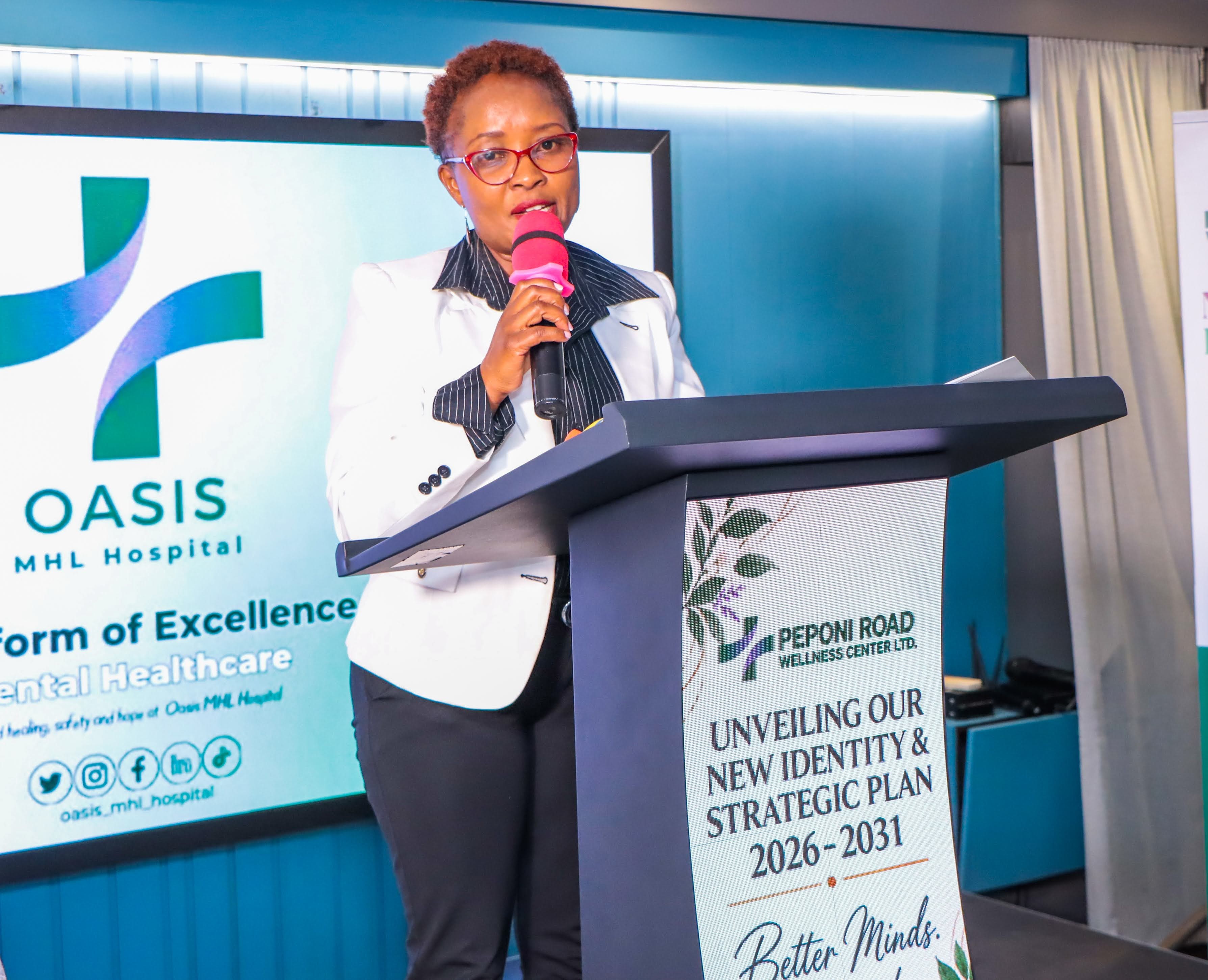
These issues formed part of the thinking behind Peponi Road Wellness Center’s recent transition from its former identity as Oasis Mental Healthcare Services.
The Centre launched its new identity and a five-year strategic plan covering 2026 to 2031 at an event in Nairobi. The plan focuses on expanding access and improving patient experience, strengthening sustainability and partnerships, and using digital transformation and innovation to improve care.
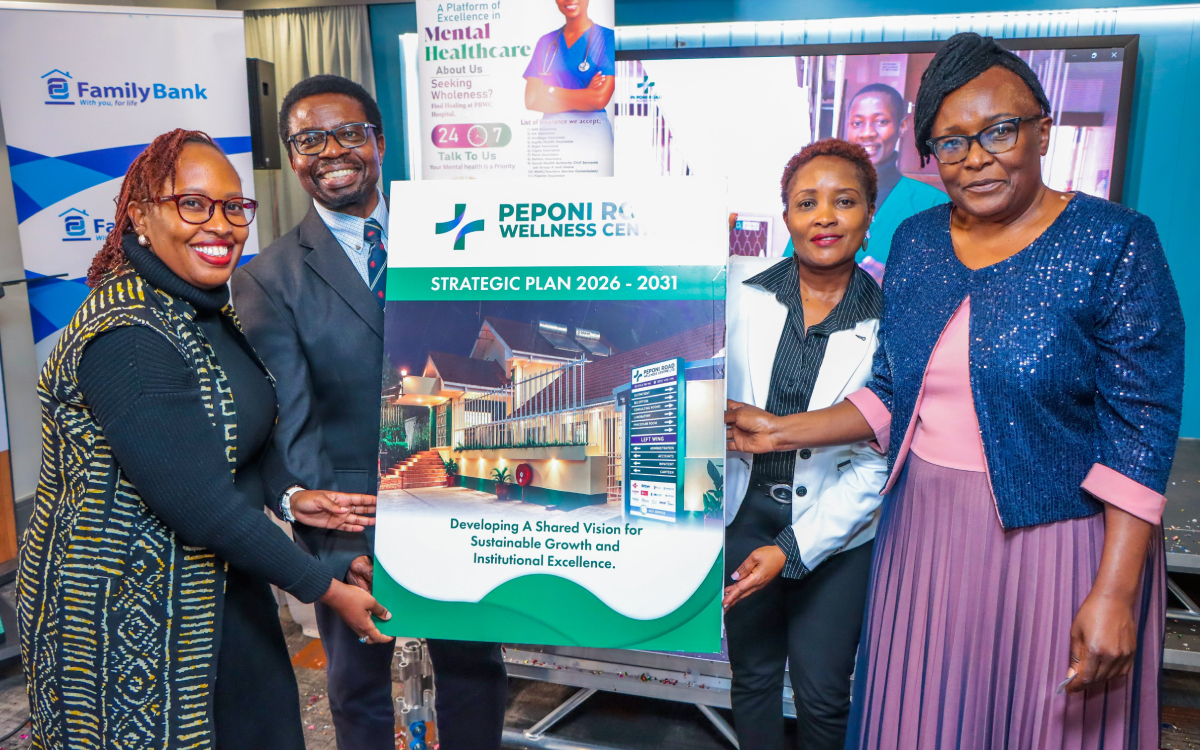
Dr. Bukusi said the change was intended to reflect a broader understanding of mental health, with the Centre describing itself as a wellness Centre rather than focusing only on illness.
“Mental health concerns is not always about illness. Sometimes we just want to be well,” he said.
The Centre’s model includes psychiatric care, psychotherapy, occupational therapy, rehabilitation, substance-use treatment, spiritual support and other forms of multidisciplinary care. It has also begun using Accelerated Resolution Therapy, although Dr. Bukusi said the facility was still documenting its outcomes.
The wider message for health practitioners is that mental health care cannot stop at diagnosis, medication or discharge.
It must include prevention, early intervention, patient safety, rehabilitation, family and community support, workplace reintegration and meaningful measurement of outcomes.
The call is therefore not simply to talk more openly about mental health, but to build systems in which patients are heard, professionals work together and recovery continues long after a person leaves a treatment facility as the world marks Mental Health Day.
“Good thing is, there’s help available. Look for it,” Dr. Bukusi said.
Comments (0)